ULAS HiPR

Development programme

Flight test vehicles

Rockets built to isolate risk, validate new systems in flight and carry proven technology into larger competition vehicles.

Flight test · 2026Vehicle 03

Active roll-control demonstrator

Sguaba
Tuinne

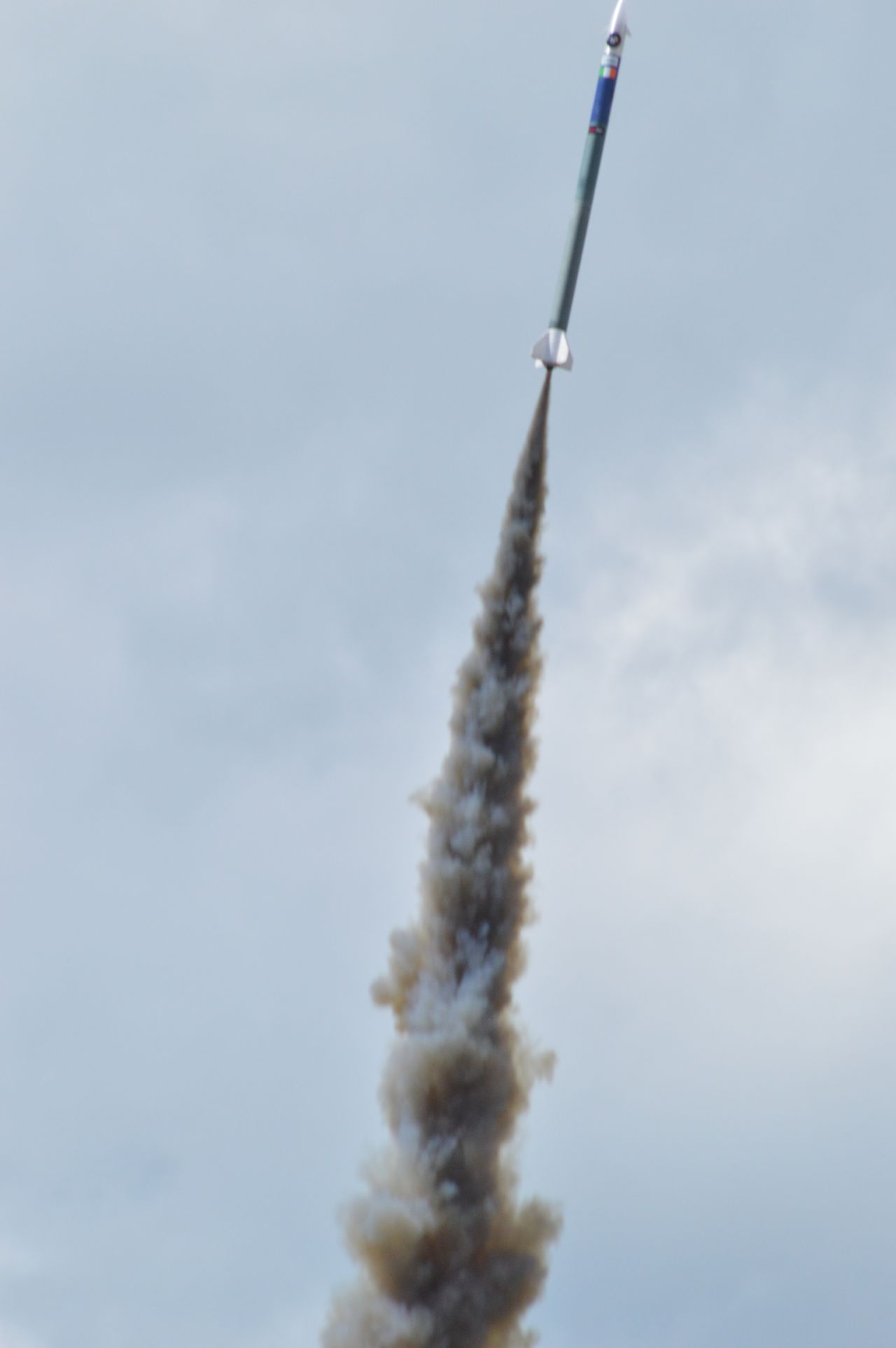
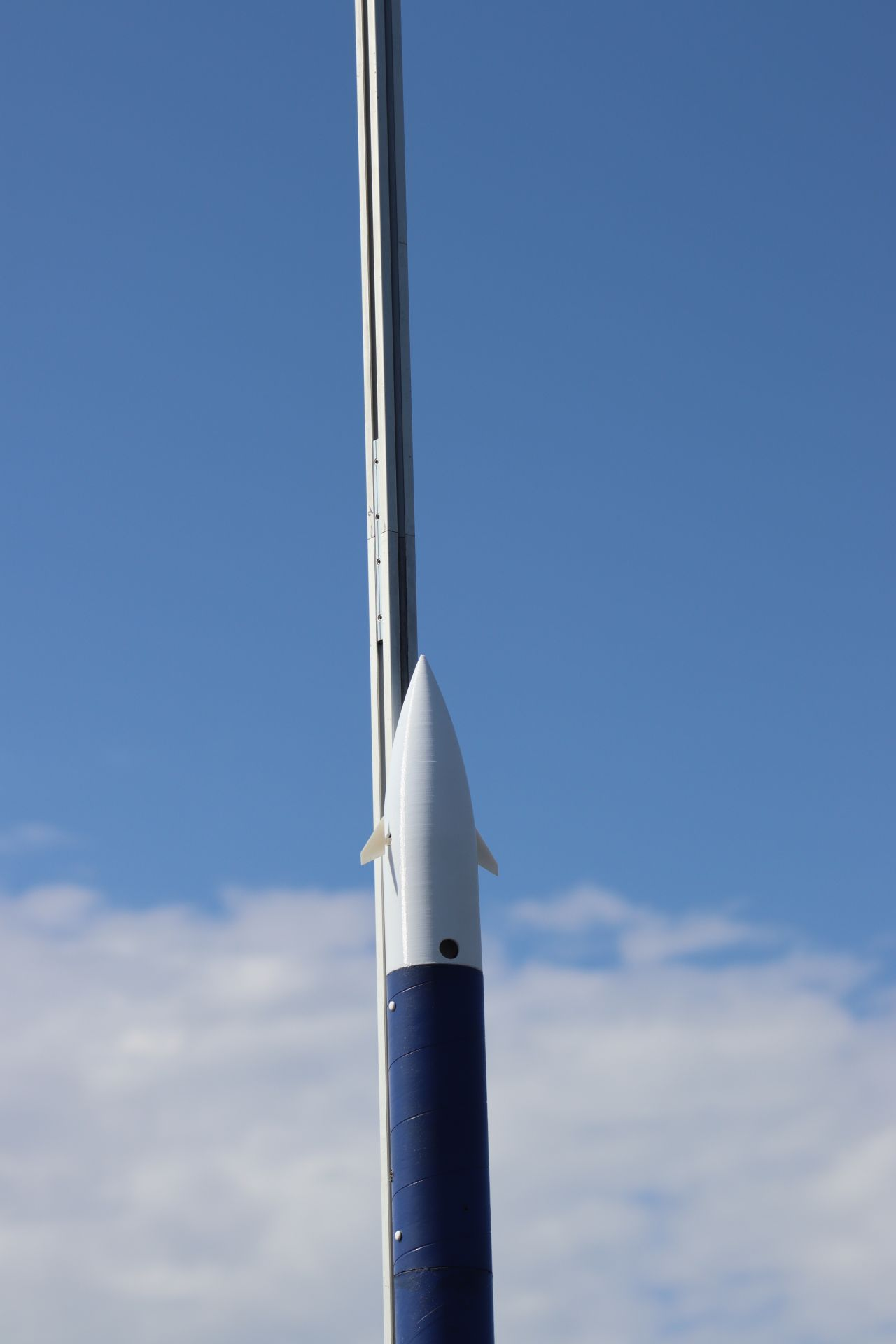
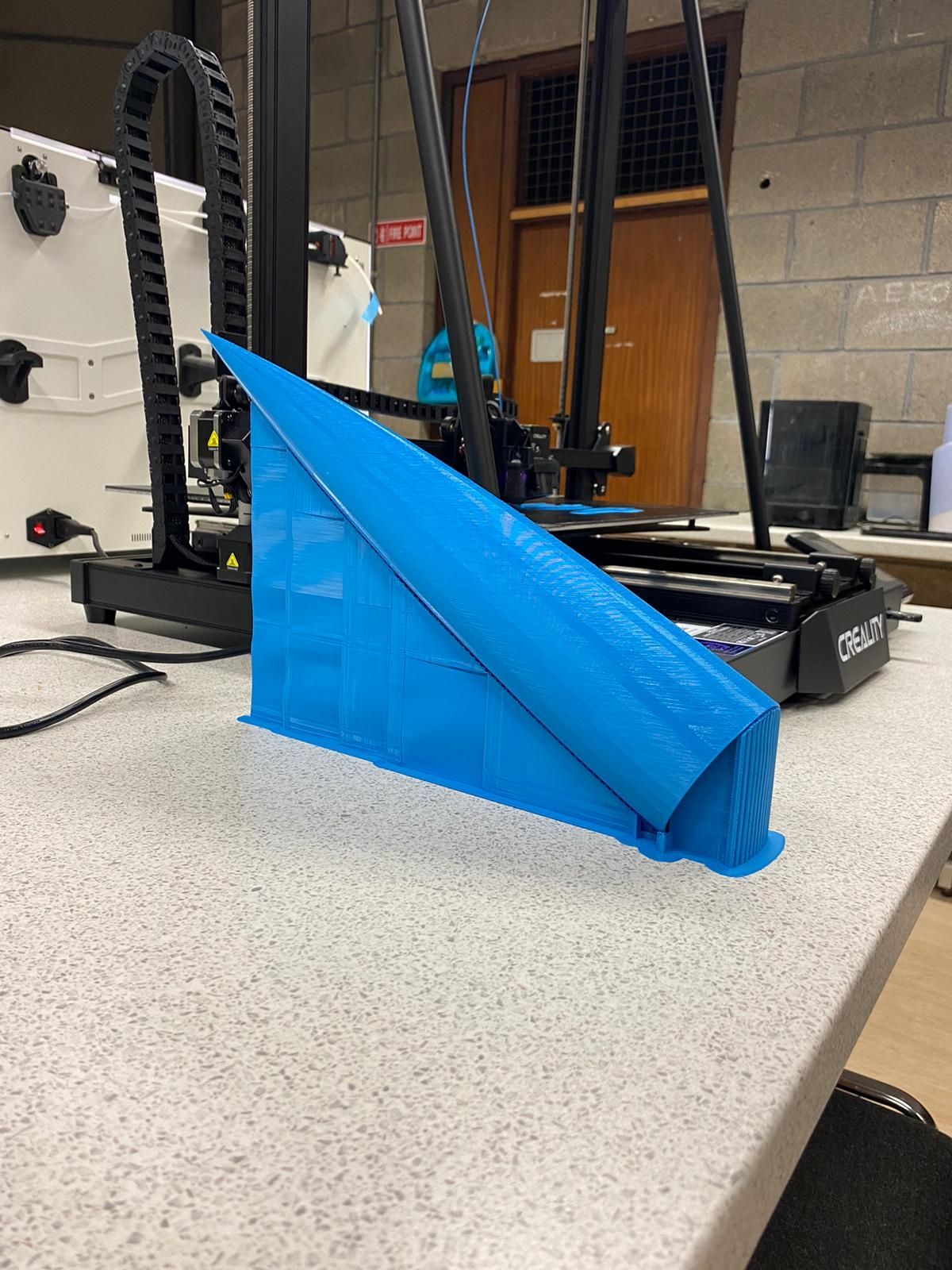
Sguaba Tuinne is HiPR's flight-test vehicle for active roll control. Canards mounted in the nose alter the vehicle's roll in flight, creating a practical route from wind-tunnel data to closed-loop control on a rocket.

The first campaign was cut short by a motor failure. Rebuilt and reflown, the vehicle subsequently demonstrated the experimental canard system in flight and supplied the data needed to scale the architecture toward supersonic vehicles.

Purpose
Active roll control
Control surfaces
Nose-mounted canards
Validation
Wind tunnel + flight
Campaign
Repeated test launches
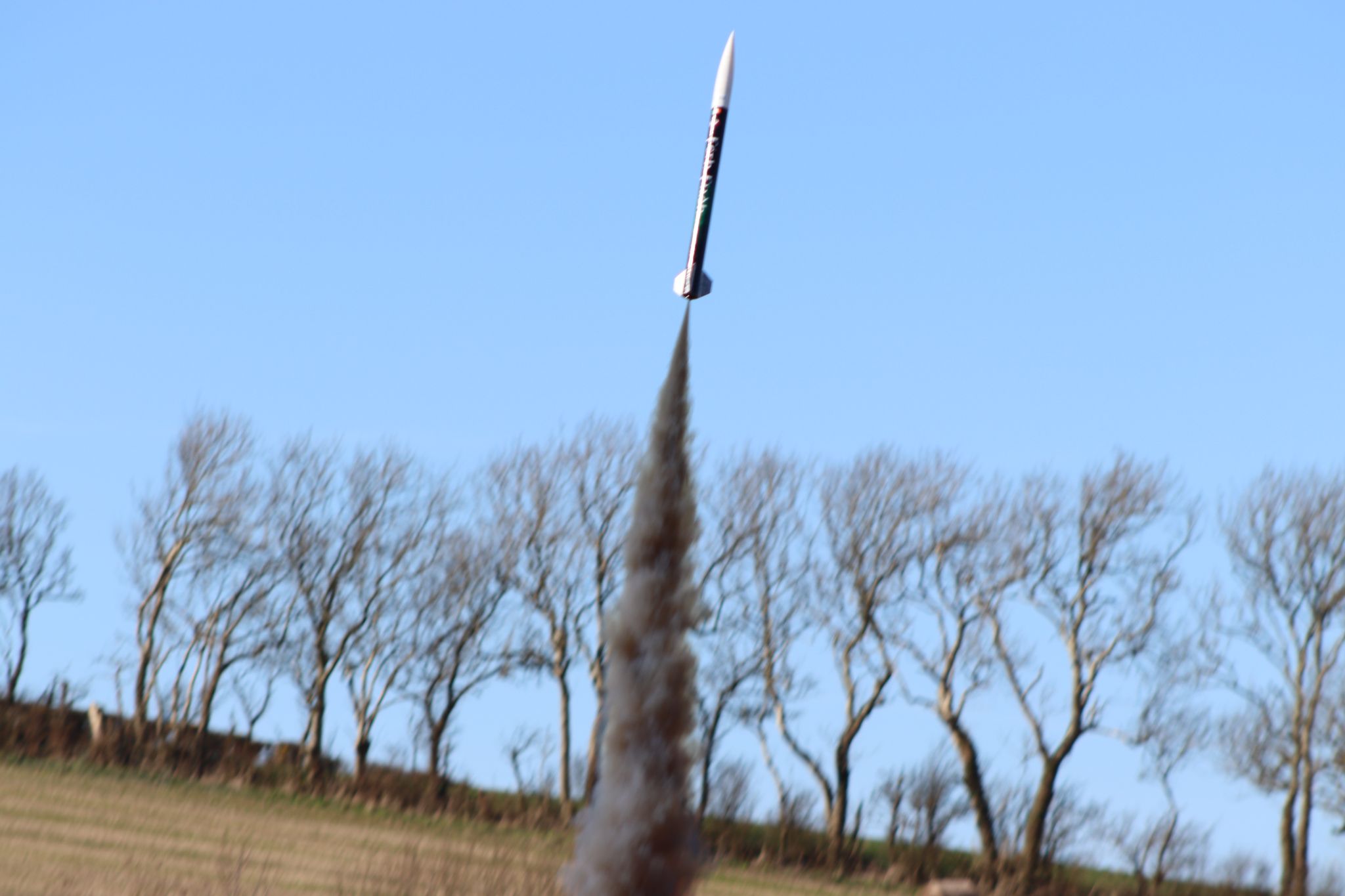
Sguaba Tuinne climbing during a flight-test launch
Canard flight test · Bishopscourt
Sguaba Tuinne's canard-equipped nose on the launch rail
Nose-mounted canards
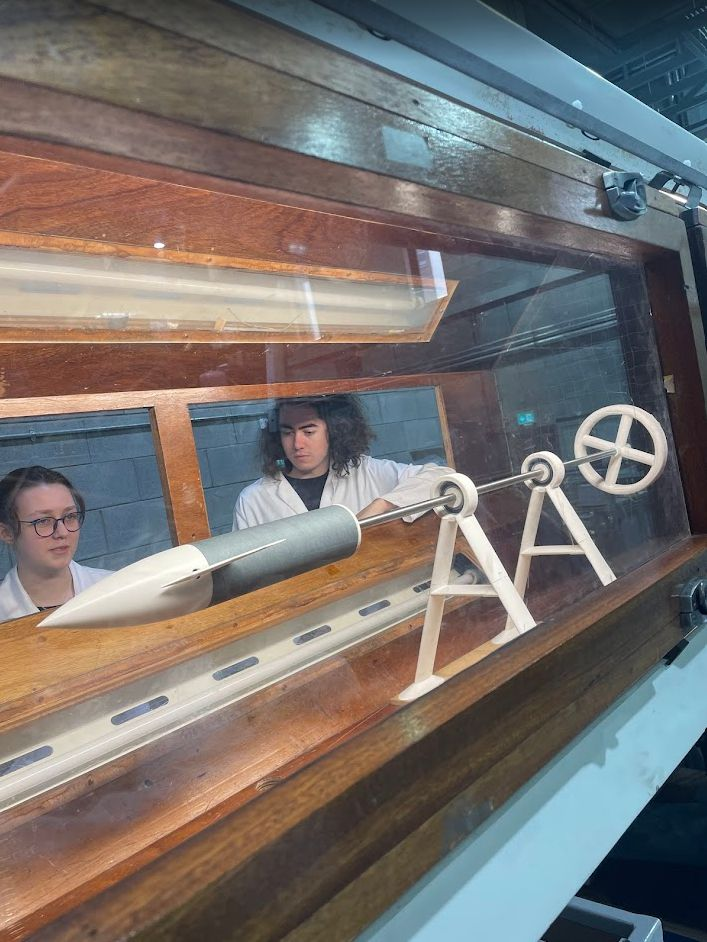
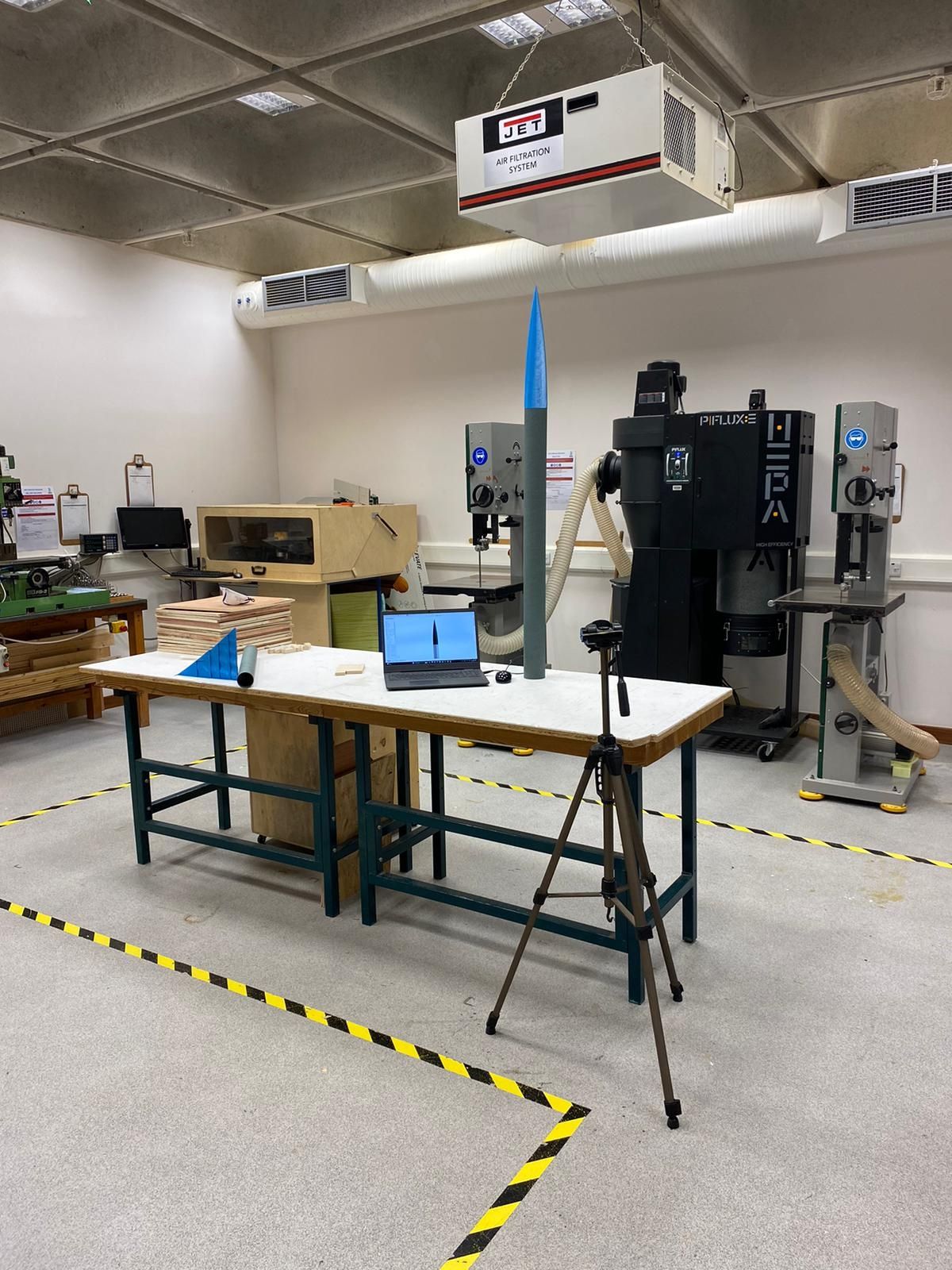
Sguaba Tuinne test article in the University of Limerick wind tunnel
Wind-tunnel validation
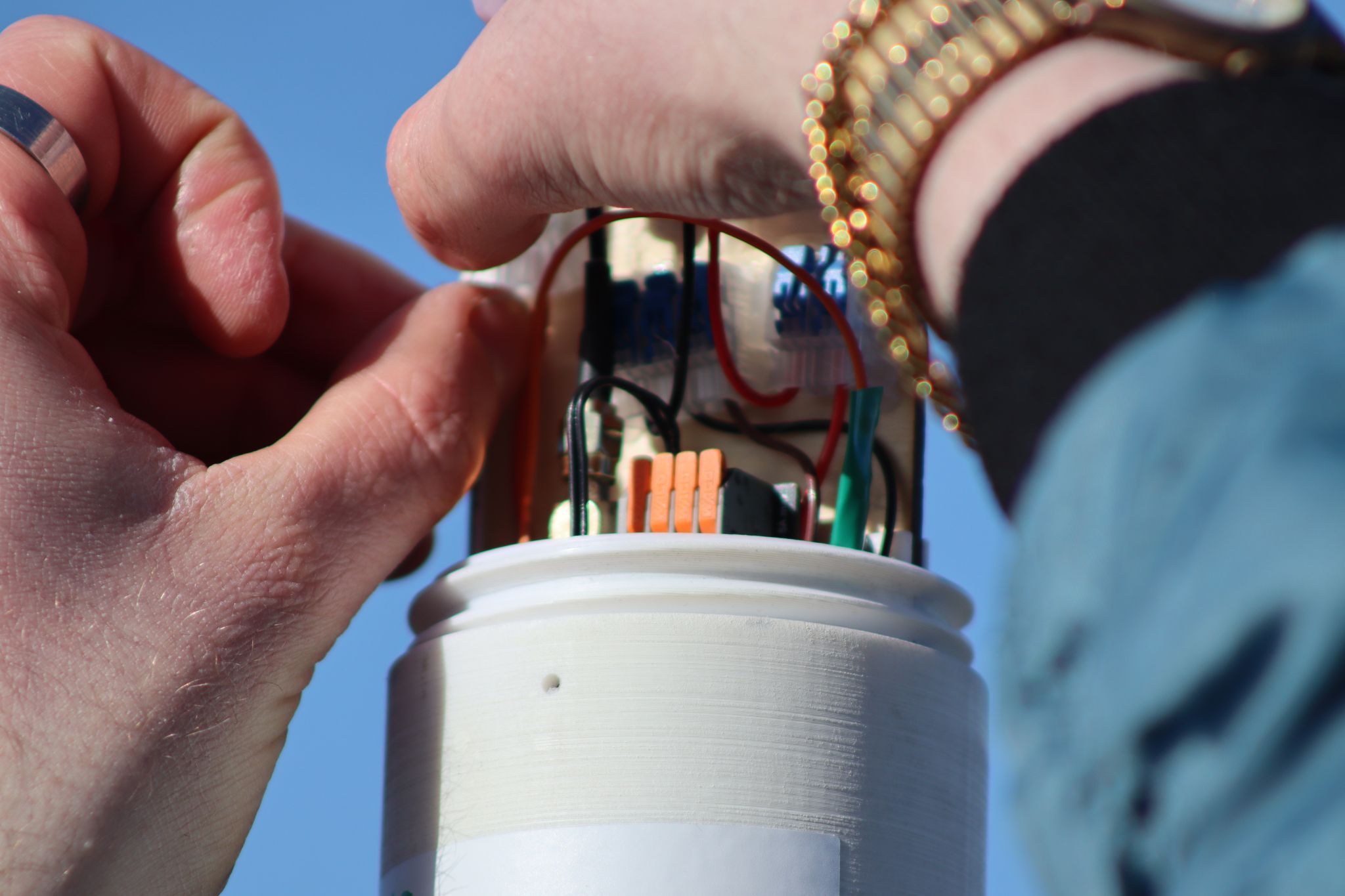
Electronics being integrated into the Sguaba Tuinne test vehicle
Flight-system integration
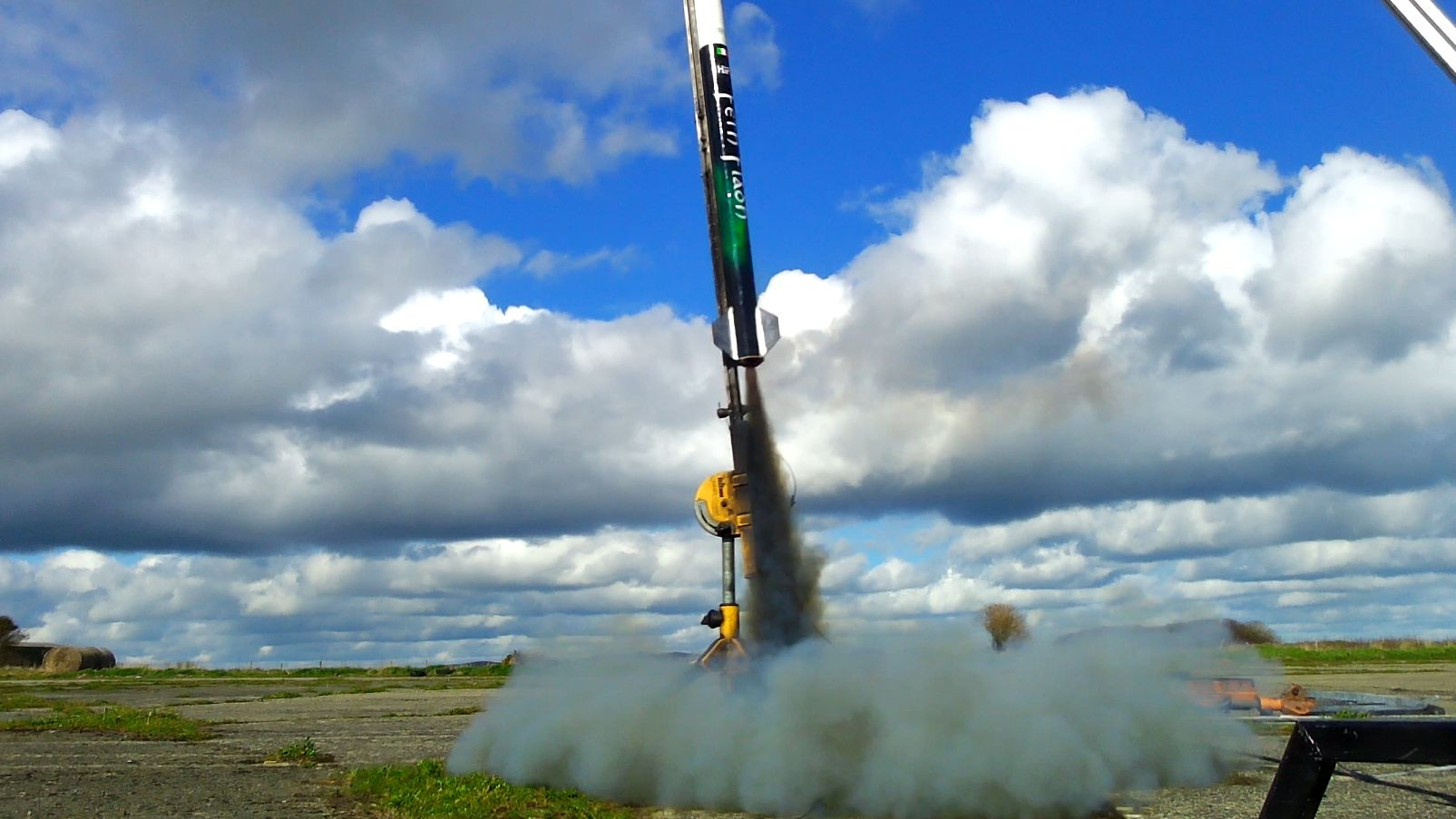
Feth Fiada lifting from the pad during a CO2 recovery test flight
Pneumatic recovery flight test
Flight test · 2026Vehicle 02

Pneumatic recovery demonstrator

Feth
Fiada

Feth Fiada was built to move HiPR's CO₂ recovery concept out of the workshop and into repeated flight. The 3-inch vehicle used a servo-driven, flame-hardened steel piston to pierce a 16-gram CO₂ cartridge and pressurise the recovery bay.

Three flights exposed the system to real launch loads and recovery conditions. Each test informed the larger twin-cartridge assembly later integrated into Badhbh.

Airframe
3 in · 1.334 m
Recovery medium
16 g CO₂ cartridge
Actuation
35 kg servo
Campaign
3 flights
International Rocketry WeekVehicle 01

First high-powered vehicle

Sionna

Sionna was HiPR's first high-powered rocket: a 3-inch vehicle built to establish the team's manufacturing, launch and flight operations before the first international competition campaign.

It flew stably on a J motor to approximately 1.5 kilometres during International Rocketry Week in Glasgow. The recovery failure provided the operational lessons carried into EuRoC 2024.

Airframe
3 in · 1.34 m
Motor class
J
Apogee
≈1.5 km
Campaign
International Rocketry Week

Sionna · 1.34 m

Build the next test vehicle

Flight testing turns new mechanisms, avionics and control ideas into systems the competition programme can trust.

Join the programme